DOL Starter Trips at Startup: Identify Which Device Tripped
Mohit VekariaWhen a DOL starter trips immediately, first identify the device that opened and the point in the start sequence where it happened. An upstream breaker, a motor overload relay and a controller can all leave a motor stopped, but they indicate different things. Record the device or display message before a reset. Then note whether the contactor picked up, the motor began turning, and the event occurred on a cold start or after several earlier starts.
What “immediately” means on the floor
One operator can use the word for a loss of power as soon as Start is pressed. Another can use it for a motor that accelerates for a second or two and then stops. Those are distinct observations. Record the relative order of the start request, contactor movement, any visible motor movement and the first indication of a trip. If the motor is enclosed or remote, use the normal panel indication and leave the motion field unknown.
| Observed sequence | Useful detail for service |
|---|---|
| Start is pressed and the upstream device opens | Record the device model and any trip indication before resetting. |
| Contactor picks up and motor starts turning, then overload trips | Record the approximate acceleration time, load condition and recent starts. |
| Controller shows a fault while the upstream device stays on | Capture the exact code, display photo and mode. Use the exact manual to interpret it. |
| Only the contactor drops out, with no clear trip indication | Record whether it coincides with button release, loss of control power or another machine starting. |
A common DOL circuit applies the supply directly to a compatible motor through the contactor. Starting current can be higher than normal running current, so the starting method, motor, load and protection need to be evaluated as an installation. The ABB Softstarter Handbook discusses the relationship between start methods and starting current. It also shows why a start event should be assessed in context, with a known load and supply.

If the upstream breaker opens
Write down which device opened and which other equipment, if any, lost power. A branch breaker feeding only the starter and a shared upstream device provide different clues. If the device has separate indicators or an event log, photograph the displayed state from outside the enclosure or obtain the log through the normal operator interface. The handle position alone may say little about the trigger.
A technician will compare the exact breaker characteristics and approved coordination with the motor starting profile and the as-built circuit. They can also evaluate whether the observed fault followed cable work or equipment replacement. Starting current is one possible factor. A wiring fault or damaged equipment can present in the same interval. A larger breaker changes the protection design, so selection belongs with the person responsible for that design and its verification.

If the overload relay or starter controller reports a trip
Collect the motor nameplate current and the relay's range and setting if the latter are available in the documentation. Provide the approximate number of starts and whether the motor had stopped shortly before this start. A thermal device can respond differently after several cycles than after a long rest. An electronic controller may also report its own distinct fault. Use the exact manufacturer instructions to interpret it. Schneider's motor protection breaker trip-class note shows that trip class is tied to specified devices. Bring the actual part number into the conversation.
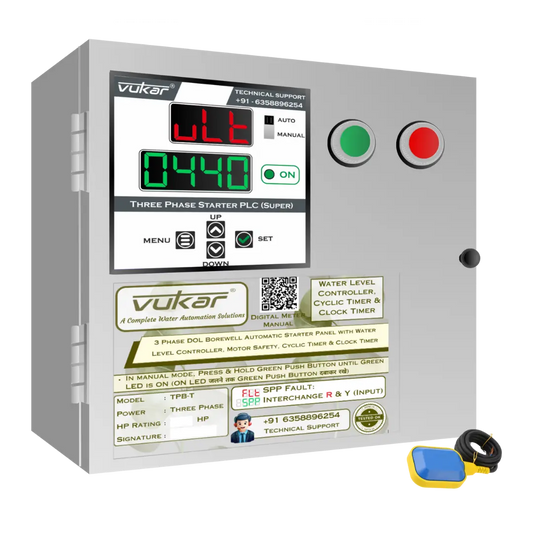
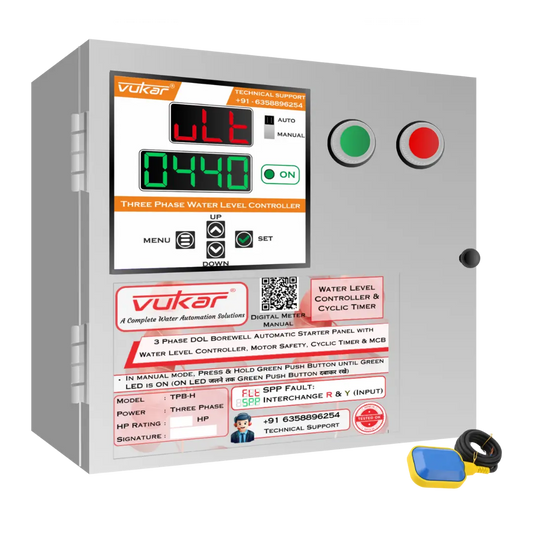
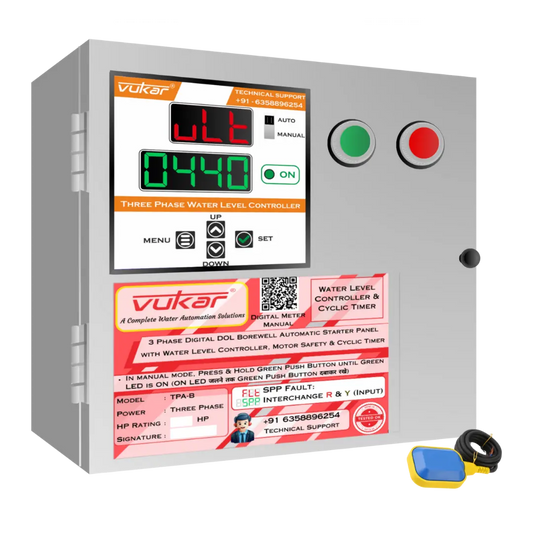
For a VUKAR DOL panel, identify the model and copy the exact code as shown. VUKAR's motor starter fault-code guide is a starting point for supported codes. The nameplate-current and overload setting guide explains what a technician should gather before reviewing protection. Use the applicable model documentation for the installation.
Example: the same motor behaves differently on two starts
Suppose a pump starts normally on the first morning cycle. After several short runs a later start is attempted while the system is still warm. The motor starts turning, then the panel reports an overload. A useful record includes the normal first start, the elapsed time between runs, the fault message and the load condition on both occasions. It gives the technician a reason to review duty and acceleration alongside the protection settings.
Now consider a second example. After the motor cable has been replaced, a branch device opens at the first Start request, with no confirmed motor movement. That history directs the initial review toward the newly worked-on circuit and exact device indication. The technician decides how to inspect and test under the site's procedures. In both examples the operator could report “trip at startup,” but the records support different diagnostic paths.

Capture the load and supply conditions
Write whether the pump, compressor or machine was starting under its usual load and whether the supply was mains, generator or another approved source. Add details that are visible in normal use, such as an unusual pressure reading on an existing instrument, a valve position required by the operator procedure, or a recent change to the sequence. For a pump installation, a technician may need to review the process side as well as the electrical side. A report that identifies what changed helps them decide which checks come first.
If the installation uses multiple motors, record whether a second machine started during the same event. A description such as “pump A tripped on the transfer to backup supply while pump B was already running” provides more context than a shared note that says both pumps are unreliable. Include the exact time if the panel or supply system keeps a log.
Send a clear startup-trip note
Use five fields: supply, command source, movement, device indication and recent events. A complete example is “Mains supply, Local Start, contactor picked up and motor started to turn. Panel displayed the attached code within two seconds. The upstream breaker remained on. The pump had already cycled several times this hour.” Add the motor and starter model labels where they are accessible from outside. Mark uncertain details as unknown.
Follow your site's stop and isolation procedure for a repeated trip or a suspected electrical fault. Panel inspection and testing belong to a qualified person who can identify all energy sources and verify the safe state. The hazardous energy control overview describes those servicing principles. Keep the first evidence for the service team before changing the operating mode or attempting another start.
VUKAR DOL starter selection · DOL power and control circuit diagram

Separate an instantaneous breaker event from a timed motor-protection event
Write the device type before describing the mechanism. An upstream circuit breaker may have an indication specific to its trip unit. A motor protection device may provide a thermal or electronic indication. A programmable panel can display a process fault even though its upstream breaker stays closed. Use the actual indication and device documentation to identify what the event means. Avoid reading the same label into all three systems.
Keep a copy of the latest protection schedule if it is available to the service team. The schedule provides the original assumptions for the motor, cable and protection. Record whether the load was altered after commissioning, for example a replacement pump or a changed process sequence. A sound diagnostic review compares the installation that now exists with the design it was meant to follow. A quick replacement choice can hide a gap between those two.
When two events look the same at the panel, look for a difference that can be observed safely. If the first event followed a morning start and the second followed a short interruption during a busy hour, capture the recent run history. If both followed transfers to generator power, preserve the transfer timestamps. The service team can use those records to choose a controlled way to reproduce the conditions, if one is needed.
Also record how the fault was cleared. A latched controller alarm, an overload reset button and a mechanically tripped breaker require different procedures. If an operator already performed a reset, write what changed and whether the fault returned immediately or at the next start. Include that information without guessing which part should be replaced. In particular, preserve a trip photograph when the display clears after power is restored.
Keep the starting conditions alongside the trip observation. A warm motor, a changed process load and a second machine switching on are different facts. If more than one applies, record the order and approximate time of each. That is usually enough to decide which existing log or drawing the technician should ask for first.