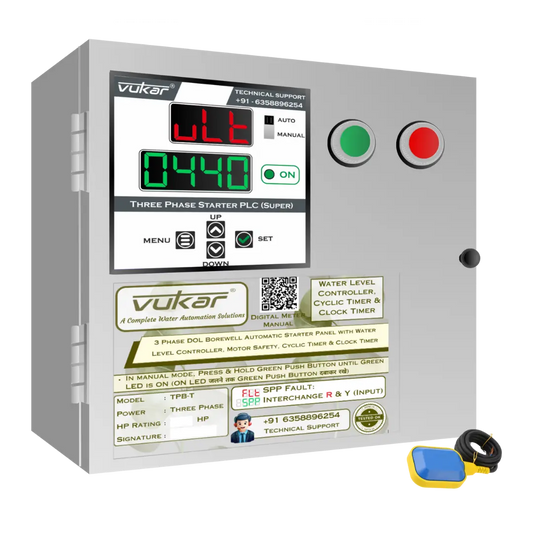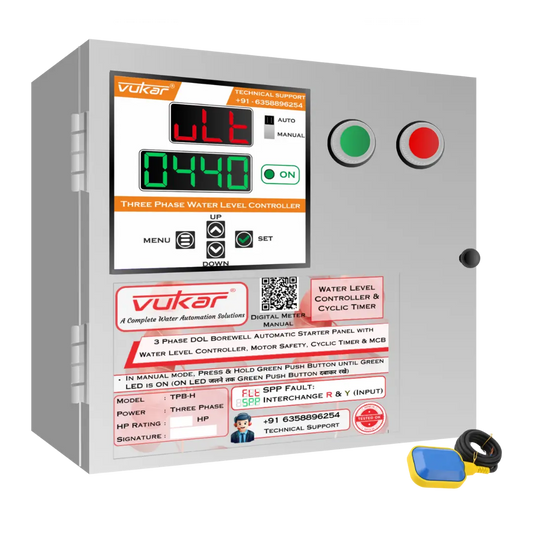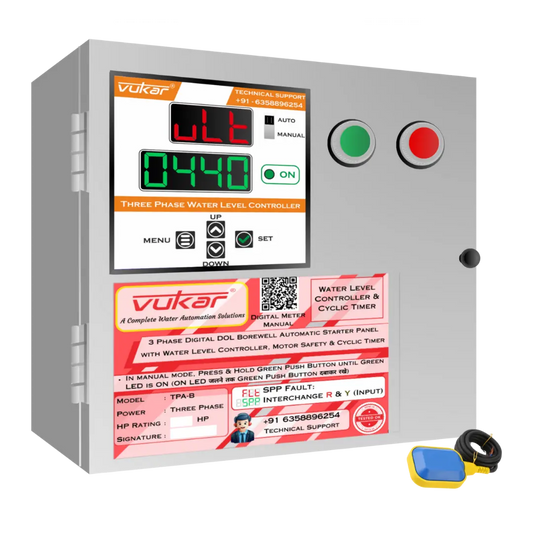

DOL Starter Remote Control: Local, Remote and Manual Modes
Mohit VekariaA DOL starter remote control diagram should tell you who can start the motor, which Stop commands are active and what happens when the selected mode changes. Define those rules before choosing a remote pushbutton, a tank float or a PLC output. For a water pump, write one more rule: what the starter may do when power returns while the remote request is still active.
Remote control does not tell you whether the pump is automatic. A person can press a remote Start button. An automatic request can come from a float, pressure switch or controller. Local, Remote, Manual and Auto may have different meanings on different equipment. Read the selector labels together with the approved sequence before you assume which commands apply.
Start with three jobs the system must do
First, name the source of the start request. Second, name the conditions that may permit or stop running. Third, decide how the operator will know what the motor actually did. These jobs can involve different equipment. A float can request a run, the starter can switch the motor and a separate indication can report whether the pump is delivering water.
A DOL starter applies the line supply to a compatible motor when the switching device closes. The remote control arrangement determines when that switching is allowed. The motor power path and the control path are shown separately in the DOL wiring reference. For a conventional enclosed starter, the Schneider Electric wiring examples also show that the control circuit depends on the fitted arrangement.

Write a selector table for the actual installation
Consider a building pump with a pushbutton on the panel and a tank controller on another floor. The building caretaker needs to test a start nearby. At other times, the pump fills the tank from an automatic demand. This table is a specification example. The installer must agree the intended sequence and implement it using the exact panel drawing.
| Mode in this example | Start request | Questions to agree before purchase |
|---|---|---|
| Local | Panel pushbutton | Which Stop functions remain available? Which pump protections still apply? |
| Remote | Receiving tank controller | Does demand need to remain present? What status returns to the remote location? |
| Off | Operating starts are inhibited | What is the approved isolation procedure for service? |
A selector in Off may block a run command. The installer must still follow the equipment’s approved isolation procedure before servicing it. Local operation also needs a written rule for level or protection inputs. A dry source and a tank already full are two different conditions. Define whether the design will permit a local test under each one and identify the controls that enforce the result.

Decide whether the remote signal is momentary or maintained
A remote pushbutton may request Start only while it is pressed. A maintained switch or float can keep its request active for longer. Both might be described as remote ON/OFF during a purchase conversation. They can behave very differently when the starter resets or a selector changes position.
Suppose a remote float still indicates a low tank after a utility outage. When power returns, the starter sees an existing demand. Agree whether it can resume automatically after its permitted checks, waits for a new command or needs a reset. Test that result under supervision with the installer. VUKAR’s pump restart after power-cut guide covers this operating decision in more detail.
Provide the external device’s exact output type before ordering. A volt-free contact, a powered output and a controller relay may need different interfaces. Tell the supplier what control supply is available and whether the remote command wiring runs a long distance. Ask them to confirm the approved terminal arrangement, interface and any relevant distance or cable restrictions for the selected equipment.
Keep command, feedback and water delivery separate
Three conditions can look like “ON” in a control room. The tank controller is asking for water. The starter output is active. The pump is delivering water. Ask what indication is actually shown. A lamp connected to a command can light before the starter picks up. A contactor’s auxiliary feedback can show pickup while the pump itself has yet to deliver water.
For a roof tank, the remote operator may need three simple indications: Demand, Starter Running and Fault. The final design should define the source of each. If water delivery needs to be confirmed, agree which suitable instrument or process feedback provides that evidence. For a fault report, ask for the state of all three indications at the same moment and the time of the event. That is more useful than a single photo of an ON lamp taken after a reset.
Test selector changes while a demand is active
A handover that tests Local and Remote separately can miss the transition between them. Ask the installer what should happen if you move from Local into Remote while a tank still asks for water. Check the reverse change while the pump is already running. Write down whether the design stops, continues or waits for a fresh command. Use only the approved operating controls during the supervised demonstration.
Ask what happens when the remote signal disappears and when communication returns, if the installation includes a networked device. Decide how a fault is reported to someone standing by the motor and to the remote operator. If the intended action differs by mode, include the selector position in every fault record. It can explain why a start worked one time and appeared to fail the next.

Make the remote station useful during a fault
Agree what the remote operator can do after a fault. Some applications call for viewing the status and contacting the local technician. Others have a documented remote acknowledgement procedure. Write who can authorise a restart and how the person near the motor is told. A remote operator can see a red lamp without knowing whether somebody is cleaning a strainer or working on the machine.
Put a small note on the panel schedule with the normal owner of each request. For a tank installation, record the name of the device that sends the remote demand, the tank it represents and where the local operator can see that input state. A replacement controller may send the same type of signal but be configured for a different tank. This record gives a technician a quick way to find the right signal source.
What to send VUKAR before asking for an external switch
VUKAR’s three-phase DOL starter guide advises buyers to mention an external remote ON/OFF switch before ordering. Send the motor nameplate, the exact starter variant if one is already installed and a description of the external device. Include an example of the start and stop sequence in each mode and the desired response after loss of power. Ask the manufacturer to confirm the compatible interface in writing.
Use the three-phase DOL panel comparison to identify an appropriate family for the motor and application. Then get the exact connection document or manual. A catalogue can help you choose the product. The approved diagram governs the final connection.
For an existing starter, check whether the documentation describes the installed revision and any site changes. Ask the electrician to confirm which terminals are intended for external commands and where the feedback is available. Keep a dated record of any change and identify who witnessed the operating tests. This prevents the next person from treating an original diagram as a record of every later modification.
If more than one remote station can request a run, include a simple priority table. Ask what happens when one station requests Start and another requests Stop. Mark the agreed outcome for each mode and check that the normal operator sees a clear status. That is an operating decision to settle before choosing the interface.
Record six demonstrations before handing over
- Local Start and Stop work as agreed, with the expected indications.
- The remote request starts and stops the intended pump under normal conditions.
- Each required stop or inhibit function has the agreed response in each operating mode.
- Changing the selector with a current request produces the documented behavior.
- Loss and return of supply or the external signal are observed where an approved test is possible.
- The operator knows which indications mean demand, contactor operation and a fault.
Keep the final selector table beside the panel documentation. On a service call, record the selector position, remote request, starter status and actual water delivery. You will know which part of the sequence to investigate first.