
DOL Starter Preventive Maintenance Checklist for an Installed Panel
Mohit VekariaA DOL starter preventive maintenance checklist should start with what changed since the last visit. Record new trips, noises, water marks and changes in the driven load. Give any work inside the panel to the authorised electrical team under the site's isolation procedure. Finish by recording what was checked, what needs repair and whether the installation was cleared to run.
Direct-on-line starters are often in service for long periods with few obvious changes. A useful inspection still asks whether the environment, control signals and actual run pattern match the design. The starter at a pump that now starts 20 times on a busy day is serving a different duty from the same unit when it started twice a day. That detail can explain why a new symptom appeared.
Start with the last month of operation
Ask the operator when the starter last ran normally. Look at written records if the site keeps them. Collect the date and time of any trips, whether they occurred at start or during a run, what the motor was doing and what the panel indicated. Take a photo of an accessible display from the normal operating position if site rules permit. Write down whether the operator needed a reset and whether another part of the process changed at the same time.
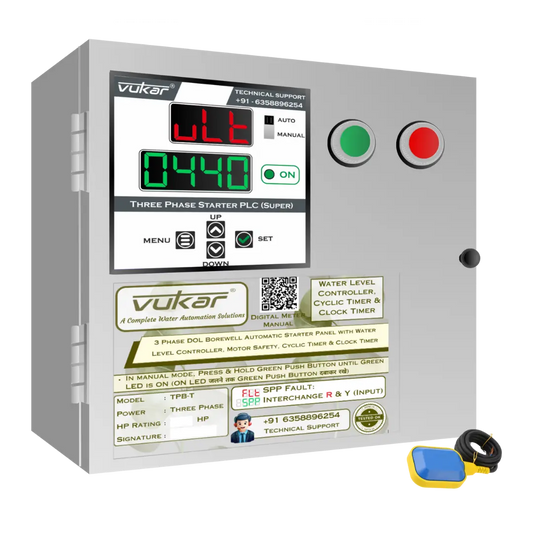
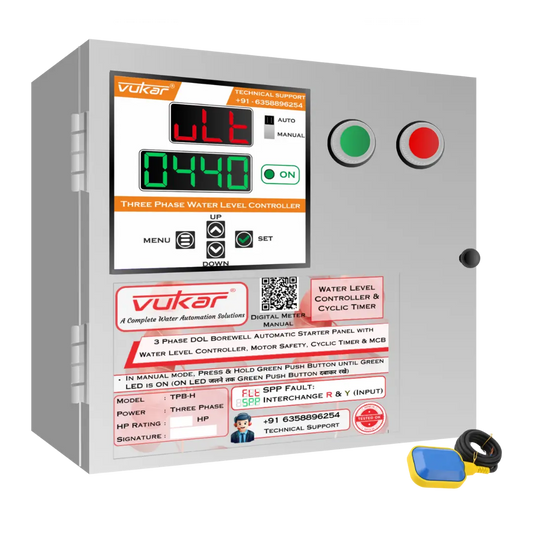
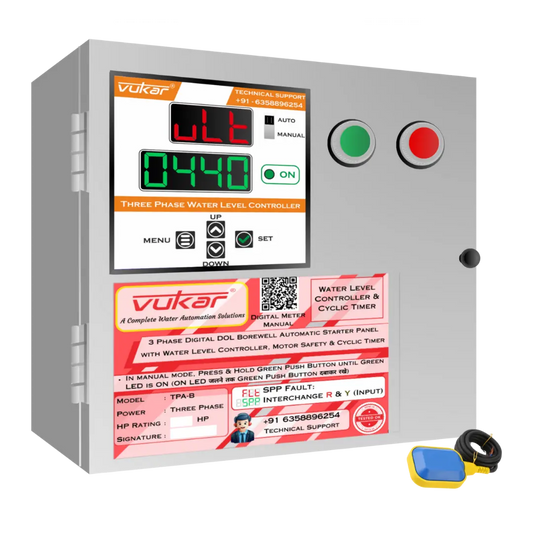
For a pump, include tank conditions and any change in the demand schedule. A modified timer or a float that is being asked to operate more often can change how much work the starter does. For a fan or machine, include unusual runs, stopped production and any changes to the driven equipment. Use the VUKAR DOL starter guide to identify the main parts and the operating modes relevant to the panel.
What an operator can record with the panel closed
Stand at the normal operating position and follow the site's reporting rules. Note damage to the enclosure, a damaged display or selector, persistent dust deposits, wet marks or rust at the cable entry. Compare the signs with the last photo taken from a similar position. Also record unusual sound, a smell of heating, smoke or an unexpected start. Escalate immediate concerns under the site procedure and keep people clear when the situation calls for it.
| Observation | Details that help the technician |
|---|---|
| New repeated clicking | Time, operating mode, whether a remote signal was changing, and whether the motor actually started. |
| One more trip than usual | The exact indication or device identified by the approved observation, elapsed run time and load condition. |
| Wet mark by an entry | Its location, whether it appeared after rain, washing or a cool morning, and an earlier comparison photo if available. |
| Heat smell or smoke | Follow site escalation and exclusion procedures. Tell the electrical team when and where it was noticed. |
Keep observations separate from diagnoses. A note that says clicking followed three rapid changes in tank demand is more useful than a note saying the contactor is bad. The first gives the technician something to compare with the control record. An operator can also record whether the noise appeared on both Auto and Manual, if that behaviour was already seen during normal authorised operation.

Build an inspection record for the electrical team
The authorised team should identify every applicable supply, including control power and remote sources, isolate the equipment and verify the safe condition according to site procedure before access. The device documentation and site maintenance plan determine which tasks can be done, how they should be performed and what results are acceptable. Keep the starter model, protective-device part number and drawing revision at the top of the sheet.
Provide rows for the enclosure, protective devices, contactor, terminations, labels and control wiring. On each row write the observation, action and evidence. For example, a terminal with visible discolouration belongs in a service report that identifies the affected device and conductor. Refer the investigation to the authorised technician and preserve evidence before replacement. For terminal work, use the values and conductor arrangements specified for the exact device. Schneider Electric discusses heat, connection resistance and discolouration in its thermal scan guidance for circuit breakers. Apply the instructions for the particular starter and protection devices installed on your site.
Ask the person doing the work to identify the replacement part and revision when a component changes. A similar-looking contactor may use a different coil or contact configuration. Record the original and fitted part numbers in the same work order. If a control setting is changed, keep its former value, the approved new value and the reason. This record helps a future technician separate a newly introduced condition from the original symptom.

Let the duty and environment set the inspection frequency
Set the interval using the equipment instructions and your maintenance plan. A panel in a damp pump room, dusty processing area or installation with frequent starts may need more attention than a panel in a dry, clean room with stable duty. Look at previous inspection results before deciding. If filters, glands or seals repeatedly need attention, ask whether the enclosure arrangement or the surrounding environment should be corrected.
Use an extra inspection trigger when conditions change. Examples include water entry near the enclosure, a motor replacement, new remote controls, or a process change that increases starting frequency. An abnormal event may call for review before the next calendar visit. The person responsible for the asset can decide whether an additional visit or engineering assessment is warranted and record the reason.
Return the panel with the operating mode documented
After the repair or inspection, the authorised team should follow the approved return-to-service procedure. Confirm that the enclosure and guards are back in their intended condition and that the agreed local, remote or automatic control behaviour has been checked where required. Record what was observed and any outstanding item. If an installed function remains unavailable, the person responsible for release should decide how the equipment will be treated under the site procedure.
The VUKAR TPM-A setup guide is a model-specific example for documenting cyclic timing and control mode on that panel. After an authorised adjustment, capture the accepted settings and the resulting behaviour. Use the exact instructions for the installed revision. Give operators a clear route for reporting a recurrence, especially when they see a fault indication during a start or timer-controlled run.
Use a service log that makes the next visit easier
Suppose a pump room inspection on 4 June records a clean enclosure, one recent overload indication and normal water delivery under the documented test. On 2 July, the operator reports several trips only during longer daytime runs. In the July entry, add the observed duty, the original June note and the work order for further investigation. A pair of dated observations gives the team more to work with than two identical entries marked checked.
Keep one row per observation or action. Use columns for date, asset, operating condition, finding, action owner and closeout. Link photos and documents from the same work order. When the next person picks up the file, they should be able to tell what changed, who is investigating and whether the equipment was released for its intended duty.

Review operating hours and starts together
A monthly total can hide the way the installation is being used. Two pumps with the same run hours may have very different numbers of starts. Ask whether the equipment runs once for an hour or starts repeatedly in shorter bursts. Where the panel or controller provides a suitable event log, save the report for the same period as the maintenance record. Otherwise, record representative observations already available from ordinary operation. Identify the period and the source so the figures are easy to interpret later.
Compare like conditions before assigning a new fault. For example, an afternoon observation in a warm enclosure and a morning observation in a cooler room are different reference points. Keep the time, ambient conditions and current load with any measurements made by the authorised team. If there is a steady change under comparable conditions, add a follow-up task with a due date and a named owner. The maintenance lead can decide whether it warrants an earlier visit.
Check that records still match the machine after replacement work. If a motor or starter revision changed, update the equipment register and keep the old record for comparison. A date beside each photo or settings page makes clear which configuration was present at the time of inspection.