Sugarcane Juice Machine Motor: Heavy-Duty Starter and Overload Checks
Mohit VekariaShare
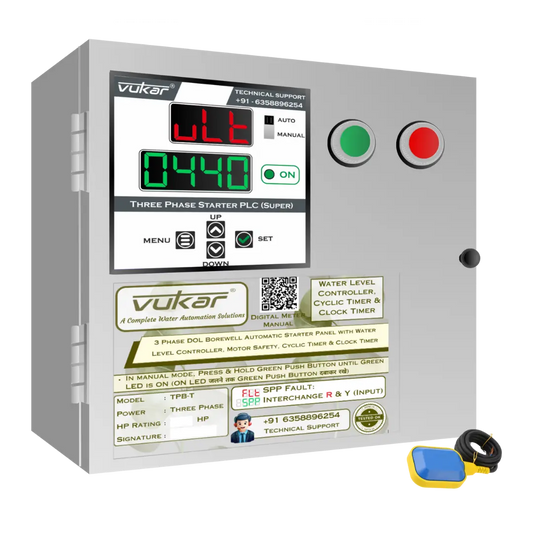
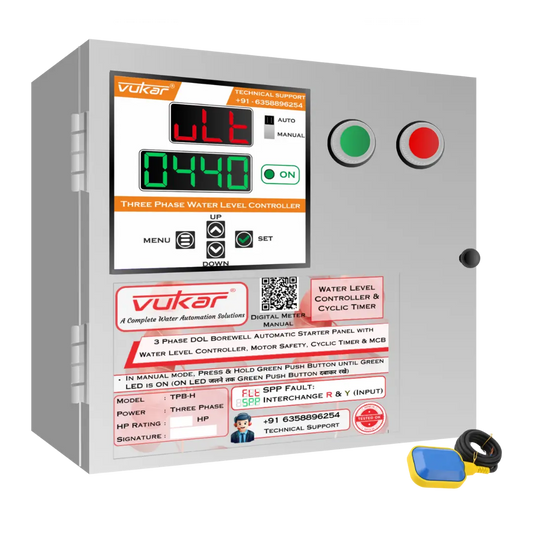
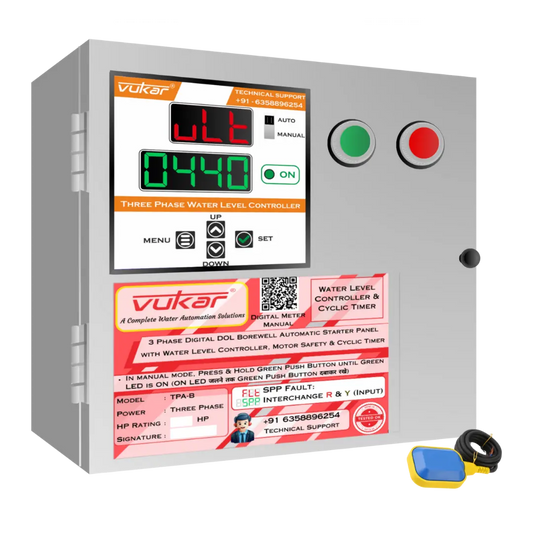
Choose a sugarcane juice machine motor starter by motor phase, rated current and roller starting load. Use the compatible heavy-duty build for the machine, with manual ON/OFF where the operator controls feeding. If cane jams or the rollers stall, stop and clear the cause using the machine procedure; do not raise the overload setting to force the rollers through.
Choose for crushing duty, not just the machine’s size
Sugarcane machines can use different motors and drive arrangements. Read the motor plate before ordering a panel. For a compatible 3 HP single-phase motor, discuss the MOM-C 3 HP heavy-duty build; a three-phase machine needs a matching heavy-duty three-phase selection.
A busy shop may process cane repeatedly through a shift, but the motor’s actual run time and starts per hour still depend on operation. Tell the manufacturer how the machine is used. The right starter supports the existing machine; it does not increase the roller capacity or replace mechanical guarding.
| Situation | Practical action |
|---|---|
| Single-phase motor | Provide the rated HP, current and starting-circuit details for the heavy-duty configuration. |
| Three-phase DOL motor | Choose the matching heavy-duty three-phase model and phase protections. |
| Machine is fed while running | Follow the maker’s cane-size and feeding limits to avoid overloading. |
| Existing reverse function | Retain the original approved reversing and interlock design. |
Why specify a heavy-duty build?
For this application, specify the heavy-duty build for the actual running and starting duty. Long runs require the panel to carry the motor current in its installation conditions. Frequent starts add a separate switching requirement. Give VUKAR the motor phase, HP, nameplate current and expected duty so the selected contactor, protection and wiring suit the job.
If the motor stops, solve the cause first
| Situation | Practical action |
|---|---|
| Trips when cane enters | Check the feed size, roller condition and machine rating before adjusting electrical settings. |
| Motor turns but rollers do not | Have the coupling, belt or gearbox inspected with the machine isolated. |
| Rollers stall or cane jams | Stop and follow the machine’s clearing procedure. Keep hands out of the feed and roller area. |
| Starts unexpectedly after power recovery | Specify a fresh operator START where supervised restart is required. |
Practical operating example
The machine processes its usual cane size normally but stalls when several thick pieces enter together. Return to the approved feed quantity and inspect the roller path. A larger contactor or higher overload setting cannot make the existing roller drive accept unlimited cane.
Remote ON/OFF: arrange the connection when ordering
Tell the manufacturer that you need a wired remote ON/OFF switch so they can provide the required switch connections. A normal fan or tubelight ON/OFF switch can send the command where the supplied control circuit supports it. The starter carries the motor load. Preserve the machine’s safety and process interlocks.
- 1 · COMMANDOperator requests ON/OFFThe agreed wired switch sends a control command.
- 2 · PERMISSIONControls permit operationMotor protection and machine interlocks remain in the approved circuit.
- 3 · MOTORStarter switches the loadThe motor follows the permitted command.
For supervised manual operation, request a fresh START after power recovery or a cleared trip. Have the manufacturer configure pump-oriented underload, automatic retry and timer functions for this machine instead of copying pump settings. A qualified electrician should install and commission the panel; isolate the machine before servicing.
Common questions
Can I reverse the motor with a normal ON/OFF switch?
No. Reversing requires an approved reversing arrangement with the necessary interlocks. A basic remote ON/OFF switch only sends a run or stop command.
Is a normal remote switch enough for operator safety?
No. Keep the machine’s guards, emergency stopping provisions and safe operating procedure. A convenience switch is not a substitute for those safeguards.
Technical reference
Motor starting and switching application ratings. General application reference; use the supplied VUKAR and machine documents for the actual installation.