Screw Conveyor Motor: Heavy-Duty Starter and Remote ON/OFF Control
Mohit VekariaShare
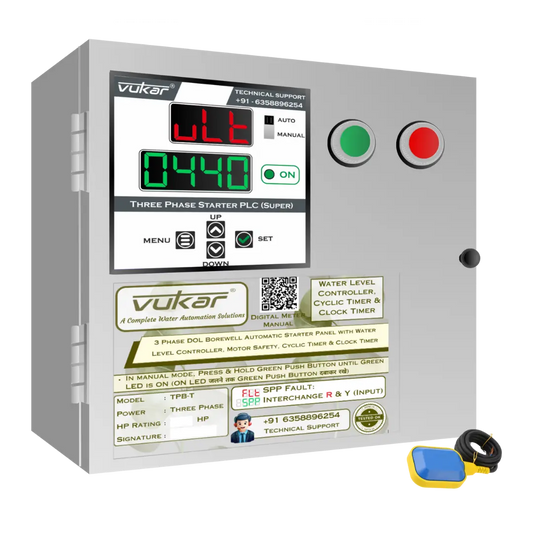
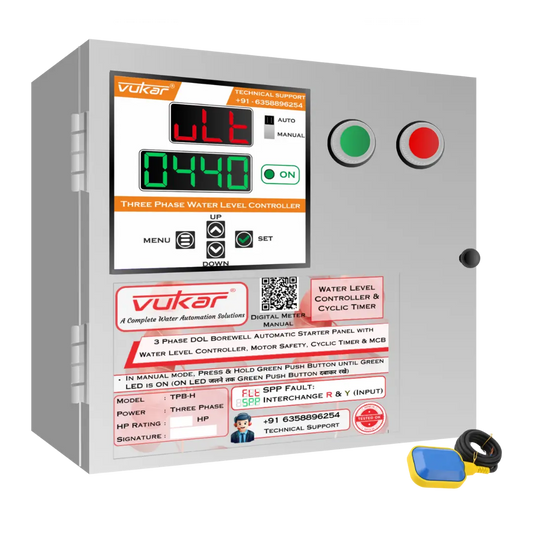
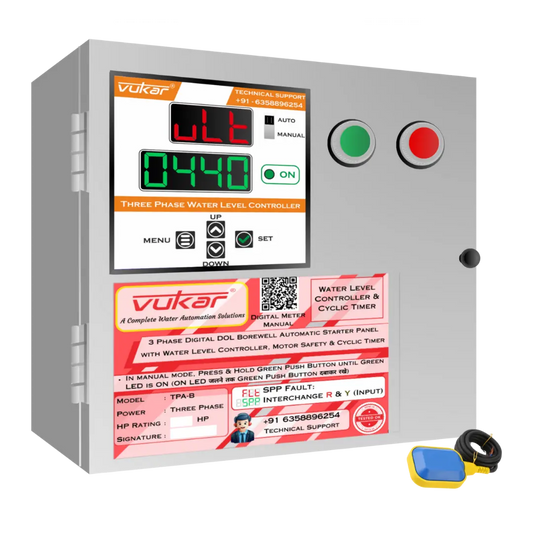
For a screw conveyor motor, choose a heavy-duty starter using the motor phase, nameplate current and starting load. Manual remote ON/OFF can suit a fixed-speed conveyor, provided the control preserves its guards, stop devices and material-feed interlocks. Tell the manufacturer when ordering so the panel includes the required remote-switch connections.
The important question: will the conveyor start loaded?
A screw conveyor can move flour, grain or another bulk material, but its starting load depends on the screw and the material already inside. Tell the panel manufacturer whether normal starts are empty, partly loaded or fully loaded. This detail matters alongside HP and current.
Keep the operating sequence supplied with the conveyor. Where the design permits it, stopping upstream feed before stopping the screw can avoid leaving excess material in the conveyor. The exact run-on period is a process decision; do not copy a timer value from a different material or machine.
| Situation | Practical action |
|---|---|
| Fixed-speed DOL motor | Use a compatible heavy-duty starter and motor-specific protection. |
| Variable-speed conveyor | Keep the VFD and its approved command inputs; a DOL starter is not a speed-control substitute. |
| Hopper or upstream feeder | Keep the feeder interlocked with conveyor availability. |
| Remote ON/OFF needed | Specify the operating point, cable route and required fresh-START behaviour after a trip. |
Why specify a heavy-duty build?
For this application, specify the heavy-duty build for the actual running and starting duty. Long runs require the panel to carry the motor current in its installation conditions. Frequent starts add a separate switching requirement. Give VUKAR the motor phase, HP, nameplate current and expected duty so the selected contactor, protection and wiring suit the job.
If the motor stops, solve the cause first
| Situation | Practical action |
|---|---|
| Trips when the screw is full | Stop incoming material and have blockage or compacted product checked before restarting. |
| Motor runs but material does not move | Check the coupling, gearbox and screw mechanically; motor current alone cannot prove material flow. |
| Frequent starts under load | Check whether the motor and starter are rated for that starting duty. |
| Conveyor stops but feeding continues | Correct the feed interlock to prevent material accumulation. |
Practical operating example
A flour hopper feeds a screw conveyor. If the conveyor trips while the hopper feeder keeps running, more flour enters the stopped screw. The practical control arrangement stops the feeder when the screw is unavailable and lets the operator restart the line in its approved order.
Remote ON/OFF: arrange the connection when ordering
Tell the manufacturer that you need a wired remote ON/OFF switch so they can provide the required switch connections. A normal fan or tubelight ON/OFF switch can send the command where the supplied control circuit supports it. The starter carries the motor load. Preserve the machine’s safety and process interlocks.
- 1 · COMMANDOperator requests ON/OFFThe agreed wired switch sends a control command.
- 2 · PERMISSIONControls permit operationMotor protection and machine interlocks remain in the approved circuit.
- 3 · MOTORStarter switches the loadThe motor follows the permitted command.
For supervised manual operation, request a fresh START after power recovery or a cleared trip. Have the manufacturer configure pump-oriented underload, automatic retry and timer functions for this machine instead of copying pump settings. A qualified electrician should install and commission the panel; isolate the machine before servicing.
Common questions
Can I reverse the screw to clear a jam?
Do not use repeated reversing as a clearing method unless the conveyor manufacturer has designed and approved it. Isolate and clear the blockage using the machine procedure.
Can a normal wall switch control the conveyor?
It can send a command to a suitably configured panel. The manufacturer must provide the connection, while the motor load and machine safety functions remain in the approved circuit.
Technical reference
Motor switching categories and application ratings. General application reference; use the supplied VUKAR and machine documents for the actual installation.