Rice Mill Motor: Heavy-Duty Starter Selection and Overload Checks
Mohit VekariaShare
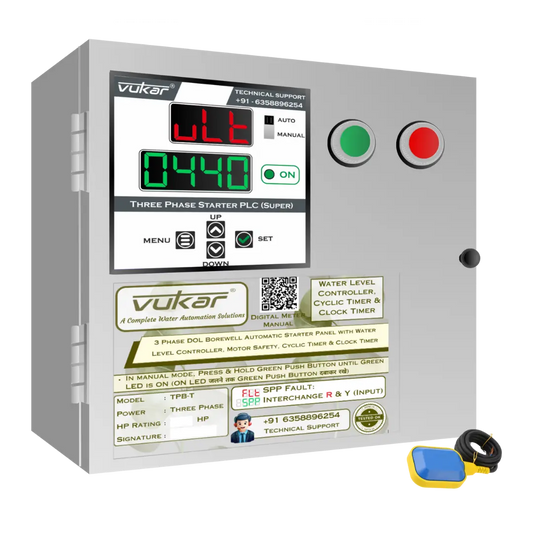
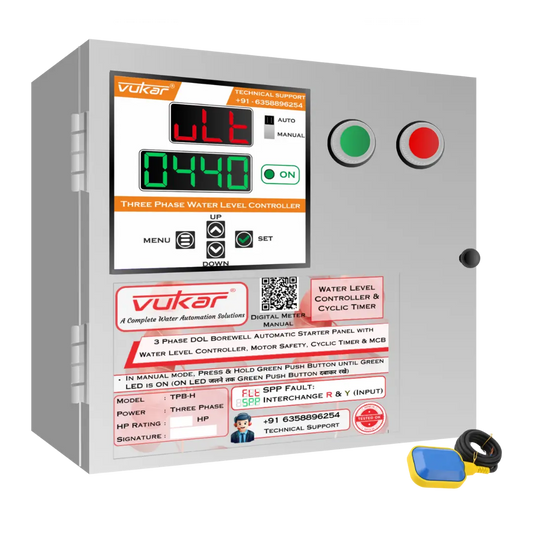
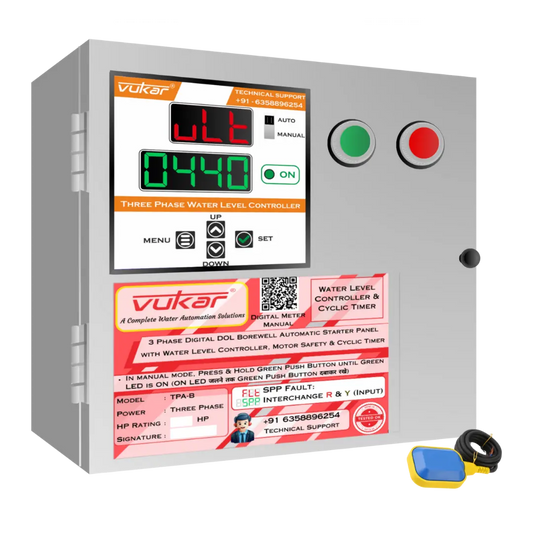
A rice mill motor needs a heavy-duty starter matched to its phase, rated current and starting method. For a three-phase DOL motor, select the correctly rated heavy-duty three-phase build and configure its electrical protections for the mill. If it trips as grain feed rises, check the feed and machine load before increasing any overload setting.
Start with the motor you are controlling
“Rice mill motor” can refer to several drives within a milling line. A polisher motor, grain elevator and blower may have different ratings and duties. Choose the starter for the actual motor rather than the production capacity of the complete plant.
Keep the line’s existing start sequence. Downstream equipment may need to run before grain reaches it. Where the machine uses star-delta starting, a soft starter or a drive, retain that starting method or have the mill manufacturer design the replacement. A DOL panel is for a motor and supply approved for DOL starting.
| Situation | Practical action |
|---|---|
| Small single-phase mill | Use the compatible heavy-duty single-phase build; MOM-C 3 HP is relevant only within its motor rating. |
| Three-phase DOL mill motor | Choose a matching heavy-duty three-phase starter and protection range. |
| Several motors on one line | Provide motor-specific switching and protection within the machine’s coordinated control design. |
| Remote operator station | Request the switch connections and preserve the grain-feed interlocks. |
Why specify a heavy-duty build?
For this application, specify the heavy-duty build for the actual running and starting duty. Long runs require the panel to carry the motor current in its installation conditions. Frequent starts add a separate switching requirement. Give VUKAR the motor phase, HP, nameplate current and expected duty so the selected contactor, protection and wiring suit the job.
If the motor stops, solve the cause first
| Situation | Practical action |
|---|---|
| Trips when paddy feed increases | Reduce feed and check the mill for blockage, excessive friction or incorrect adjustment. |
| Three-phase motor fails to start | Check the displayed fault and supply condition before restarting. |
| Elevator stops but milling continues | Have the line interlock checked so material does not build up downstream. |
| Repeated trips during normal production | Record the fault code, running current and point in the process when it happens. |
Practical operating example
A polisher and an elevator operate together. If the elevator stops, continuing to feed the polisher can create a material-handling problem. The useful solution is coordinated control of the line, not a remote switch connected independently to each motor.
Remote ON/OFF: arrange the connection when ordering
Tell the manufacturer that you need a wired remote ON/OFF switch so they can provide the required switch connections. A normal fan or tubelight ON/OFF switch can send the command where the supplied control circuit supports it. The starter carries the motor load. Preserve the machine’s safety and process interlocks.
- 1 · COMMANDOperator requests ON/OFFThe agreed wired switch sends a control command.
- 2 · PERMISSIONControls permit operationMotor protection and machine interlocks remain in the approved circuit.
- 3 · MOTORStarter switches the loadThe motor follows the permitted command.
For supervised manual operation, request a fresh START after power recovery or a cleared trip. Have the manufacturer configure pump-oriented underload, automatic retry and timer functions for this machine instead of copying pump settings. A qualified electrician should install and commission the panel; isolate the machine before servicing.
Common questions
Can one large starter protect every motor in a rice mill?
A single trip setting generally cannot provide correct individual overload protection for motors with different current ratings. Use the machine’s motor-by-motor protection design.
Does phase protection replace overload protection?
No. Phase and overload functions address different electrical conditions. Select and configure the functions required for the actual three-phase motor.
Technical reference
Three-phase motor starter functions. General application reference; use the supplied VUKAR and machine documents for the actual installation.