Milking Machine Motor: Starter Selection for the Vacuum-Pump Drive
Mohit VekariaShare
Select a milking machine motor starter using the vacuum-pump motor’s phase, nameplate current and running duty. Use the compatible heavy-duty single-phase or three-phase build and retain the machine’s vacuum regulation and original controls. Motor electrical protection does not replace vacuum control or confirm that the milking system is operating correctly.
Control the vacuum-pump motor without changing the milking process
The vacuum system is a functional part of a milking machine. Its motor control should support that system rather than introduce an unrelated on/off cycle. Some installations use a simple fixed-speed motor, while others use frequency-controlled pumps or an integrated electronic controller.
Begin with the motor and control arrangement already specified for the machine. If it is a small single-phase drive, do not assume that every such motor is 3 HP. The MOM-C 3 HP heavy-duty option is relevant only where the actual motor and starting circuit are compatible with that selection.
| Situation | Practical action |
|---|---|
| Single-phase fixed-speed motor | Select the compatible heavy-duty build using the nameplate and starting-circuit details. |
| Three-phase DOL vacuum pump | Choose the matching heavy-duty three-phase starter and protection range. |
| Frequency-controlled vacuum pump | Keep the original drive and supported command interface. |
| Remote ON/OFF near the operator | Request the manufacturer-provided connection without bypassing vacuum or machine controls. |
Why specify a heavy-duty build?
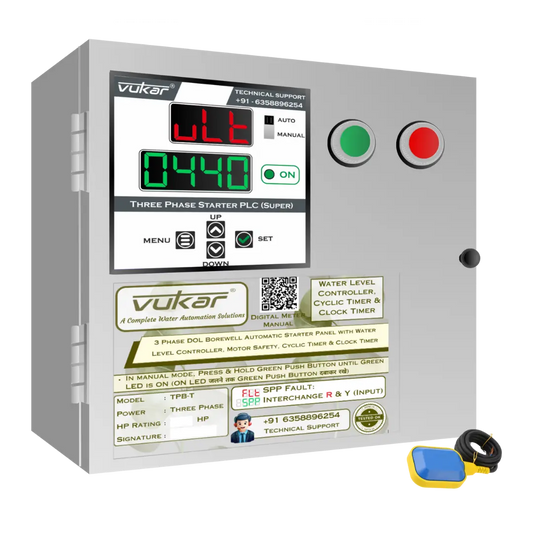
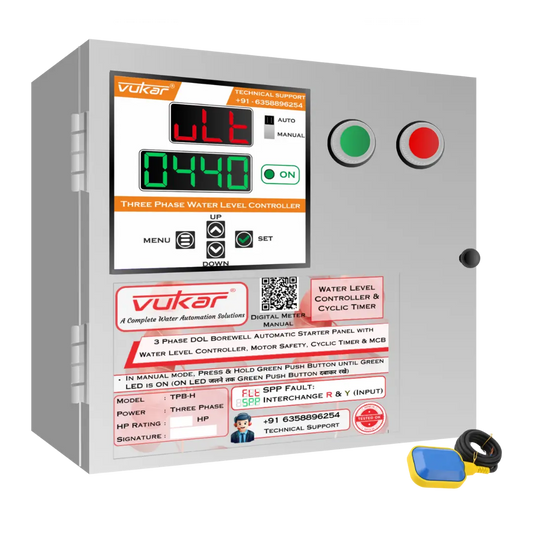
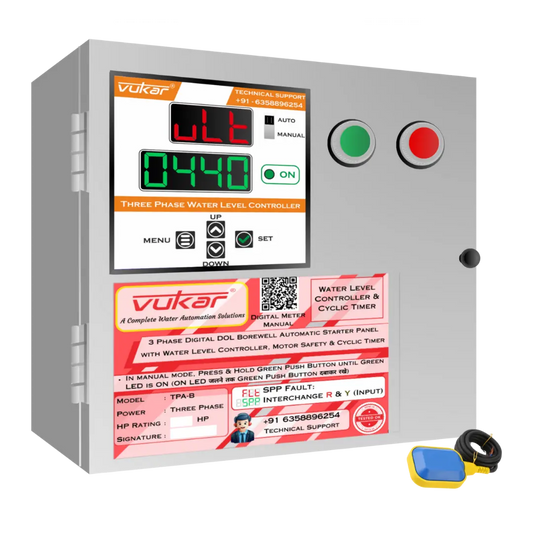
For this application, specify the heavy-duty build for the actual running and starting duty. Long runs require the panel to carry the motor current in its installation conditions. Frequent starts add a separate switching requirement. Give VUKAR the motor phase, HP, nameplate current and expected duty so the selected contactor, protection and wiring suit the job.
If the motor stops, solve the cause first
| Situation | Practical action |
|---|---|
| Motor runs but vacuum is low | Check the vacuum system, regulator, air leaks and pump condition through the machine’s service procedure. |
| Motor trips after a period of use | Record current and the fault indication; inspect cooling and mechanical condition. |
| Single-phase motor hums | Stop repeated starting attempts and have the supply and starting circuit checked. |
| Vacuum changes as demand changes | Have the vacuum regulation checked; changing overload settings is not the solution. |
Practical operating example
The pump motor is running but the machine has insufficient vacuum. Replacing the starter will not necessarily restore vacuum. Check the vacuum path and pump condition first, then address any separate electrical fault shown by the motor-control equipment.
Remote ON/OFF: arrange the connection when ordering
Tell the manufacturer that you need a wired remote ON/OFF switch so they can provide the required switch connections. A normal fan or tubelight ON/OFF switch can send the command where the supplied control circuit supports it. The starter carries the motor load. Preserve the machine’s safety and process interlocks.
- 1 · COMMANDOperator requests ON/OFFThe agreed wired switch sends a control command.
- 2 · PERMISSIONControls permit operationMotor protection and machine interlocks remain in the approved circuit.
- 3 · MOTORStarter switches the loadThe motor follows the permitted command.
For supervised manual operation, request a fresh START after power recovery or a cleared trip. Have the manufacturer configure pump-oriented underload, automatic retry and timer functions for this machine instead of copying pump settings. A qualified electrician should install and commission the panel; isolate the machine before servicing.
Common questions
Can a cyclic timer control a milking machine?
Do not add repeated stop/start cycles unless the machine manufacturer specifies them for that process. Preserve the required vacuum operation.
Can the starter tell me the vacuum pressure?
A motor starter’s voltage and current display does not measure vacuum. Use the machine’s vacuum gauge or control system.
Technical reference
DeLaval: milking-machine vacuum systems. General application reference; use the supplied VUKAR and machine documents for the actual installation.