
Automatic Water Level Controller Supplier in Vapi
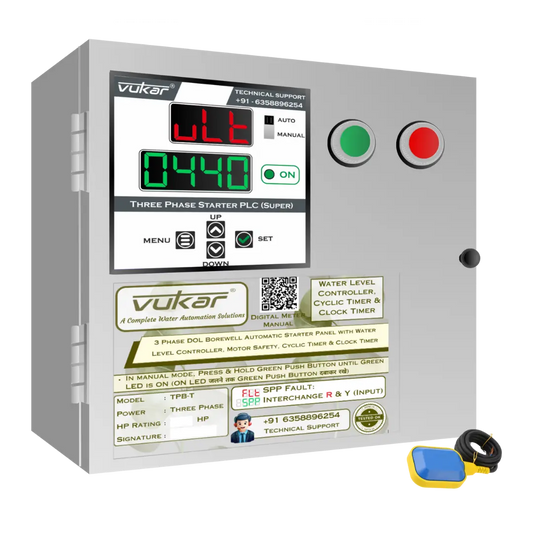
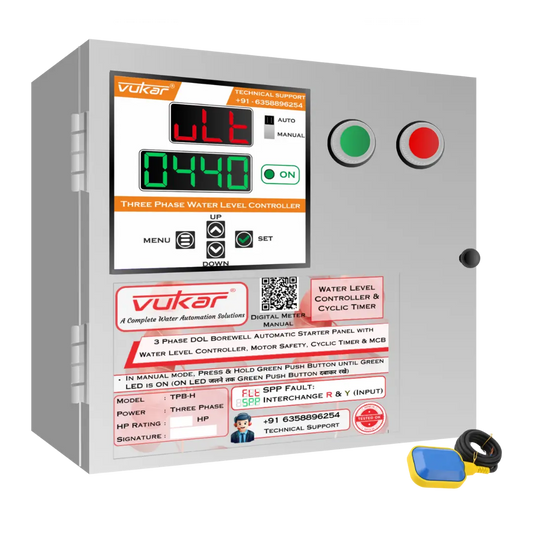
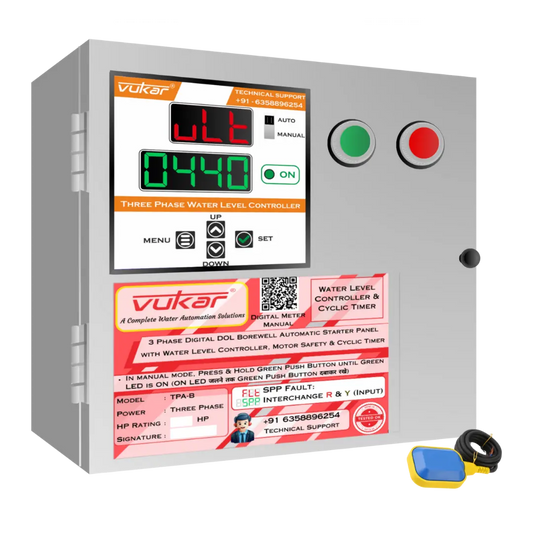
Mohit VekariaIf you’re searching for an Automatic Water Level Controller Supplier in Vapi, SubmersibleShop.com offers VUKAR DEV-G2 for compatible three-phase transfer pumps. If a utility tank now takes longer to fill, first time the same rise in water level and check the level after the pump stops. A slower rise while running and a drop after stopping need different checks. Do those before paying for a different controller.
Vapi utility tank slow fill and the estate inlet
Gujarat Industrial Development Corporation, or GIDC, lists a water supply office for the Vapi Notified Area. Its water supply regulations describe charges based on the quantity registered by the meter. An estate meter measures water entering the unit. For a slow fill at an internal utility tank, first see if the pump’s own source tank had enough water throughout the test. If the source is failing to refill, the estate supply office can help check the inlet account. GIDC water supply regulations GIDC Vapi water supply office listing
If the source has enough water, ask the site team to agree a quiet period to test the transfer. Tell the workers who use that tank before pausing normal draw, and only pause where the site permits it. Note which pumps and valves are in use. The comparison works when the same pump fills between the same two marks under similar conditions.

Compare the same tank rise while the pump runs
Mark a lower and upper test level on the tank gauge. Use marks with a known change in litres. Start at the lower mark and record how long it takes to reach the upper mark. Repeat under the same conditions. VUKAR DEV-G2 has a motor run time counter, which adds up time while the motor runs. It can support the test if it measures only this pump and the readings cover the same fill. DEV-G2 monitoring and level-control functions
Worked example: same 720 L, slower fill
Assume the tank gains 720 L in each test with no water drawn. It takes 72 minutes the first time and 108 the second time. Divide 720 by each time. The average falls from 10 L/min to about 6.7 L/min. If the tank still holds its level after the pump stops, have the team start with the running flow checks.
| What you see | What to check first |
|---|---|
| Same water rise takes longer | Check the running flow and transfer pipe. |
| Normal rise, then level falls after stop | Check use, leaks and possible water flowing back. |
| Level stays steady but signal changes | Test the float and its wiring. |
If the same amount now takes longer to move, ask the installer to check transfer flow. A partly closed valve, a dirty strainer or a change in pump performance can slow the rise. A strainer is a screen that catches debris. Keep the checks on the pump and its pipe before changing the level controller. If water was drawn during the test, agree a comparable repeat first.
Check a falling tank after stop
If the tank fills at its usual rate but soon calls for water again, note the level just after the pump stops. Watch for a drop during a short, permitted period when nobody should be using the water. A drop can come from a leak, an unrecorded draw or water flowing back down the transfer line. Ask a plumber to trace the route. If the water level stays steady but the controller reports a change, ask the electrician to test its float signal.
Vapi controller quote after the fill test
Send the pump plate and starter details with the result of the fill and hold checks. A hold check is the short period when you watch the tank after the pump stops. Ask whether the fault needs pipe work, a sensor repair or a different control setup. DEV-G2 takes two float inputs on compatible three-phase openwell or monoblock circuits. A float is a switch that moves with the water. If you need a controller, agree the lower source and upper receiving stop tests.
Compare VUKAR three-phase water level controller models. Then send the pump plate and fill test result if the site electrician identifies a control need.