Sump-Pit Pump Control: High-Level Start, Low-Level Stop
Mohit VekariaShare
A sump-pit emptying pump normally needs a high-level START request and a low-level STOP request. That is different from filling a tank. VUKAR's exact starter-panel support for this reverse or emptying sequence still needs confirmation, so no standard model is promised here.
Why filling logic can be the wrong fit
A tank-filling controller starts when the destination is low and stops when it is full. Applying that sequence to a pit that needs emptying would not meet the requirement.
“Water level controller” is therefore too broad a description for selection. The useful specification states which level starts the pump, which level stops it and what should happen if a sensor signal is invalid.
The operating problem to address
If the pit fills while nobody is available to start the pump, water may rise beyond its intended level and affect the surrounding area or interrupt work. That is a possible consequence to assess at the site, not a measured loss from this case.
Automatic level response can remove the need for someone to watch for each normal start. It cannot guarantee that the pump will remove incoming water faster than it arrives or continue during a supply failure.
Write the sequence clearly
Specify high-level demand, low-level stop and enough separation to avoid unwanted repeated starts. Have the pump supplier or designer check minimum run time, allowed starts, actual inflow and discharge conditions.
Also define power-return behaviour. If the level is high when electricity returns, should the pump start automatically, subject to its permissions? This must be documented rather than inferred from a filling-panel description.
What a VUKAR fit assessment must establish
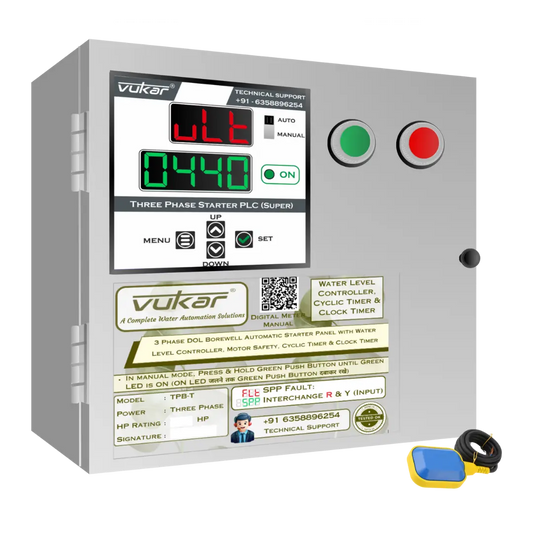
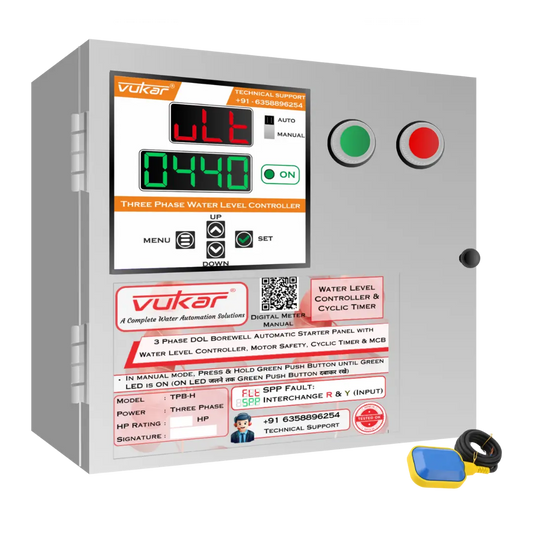
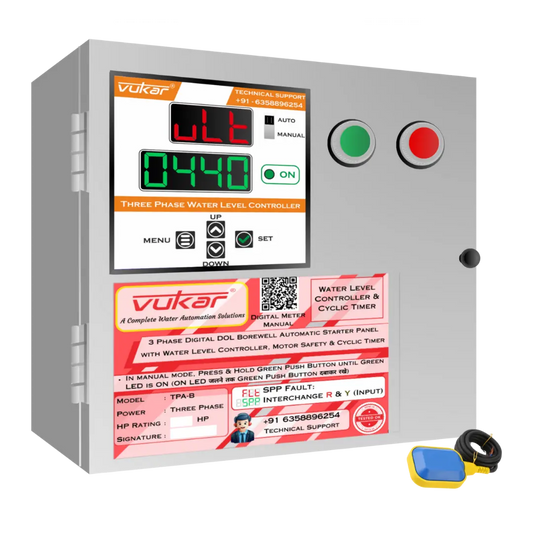
Prioritize a complete phase-matched starter panel if a suitable documented emptying mode is available. Confirm the exact model, approved sensor wiring, motor current range and required protection.
Do not claim that a panel supports reverse operation because it has two floats or a general level-control label. Do not reverse connections by guesswork. If the standard range cannot perform the sequence, request an engineered alternative and confirm its availability before recommendation.
When the pit needs more than normal level control
A site with significant overflow consequences may need an independently specified high-level alarm, backup arrangements or another response. Those functions should be separately identified and verified; they are not assumed features of the proposed starter.
Commission high start, low stop, sensor response and documented outage recovery with a qualified installer. The useful result is a verified emptying sequence. Until that exact sequence is confirmed, a standard tank-filling product remains an unproven fit.